

Product Design
Research Methods
UX Design
BIG 3000 - Collaborative Research for Patient-Caregiver Engagement
CCBP & MDes
Overview:
The BIG 3000 project, a collaboration between the University of Cincinnati’s Master of Design program and the Cincinnati Cohort Biomarker Program (CCBP), addresses challenges in clinical research on neurodegenerative diseases such as Parkinson’s and Alzheimer’s. The project seeks to enhance participant recruitment and retention by exploring engagement strategies beyond financial incentives. Through qualitative research and co-creation methods, BIG 3000 focuses on meeting patients' desires for community connection, accessible information, and healthcare support to improve their involvement in long-term studies.
Project Goals:
Increase participant engagement and retention in clinical studies by providing meaningful incentives beyond financial compensation.
Build a supportive community framework that fosters connection and shared experiences among patients.
Offer accessible information and resources about neurodegenerative diseases to empower patients and caregivers.
Reduce the burden on caregivers and researchers by designing solutions that streamline communication and support.
Research Process:
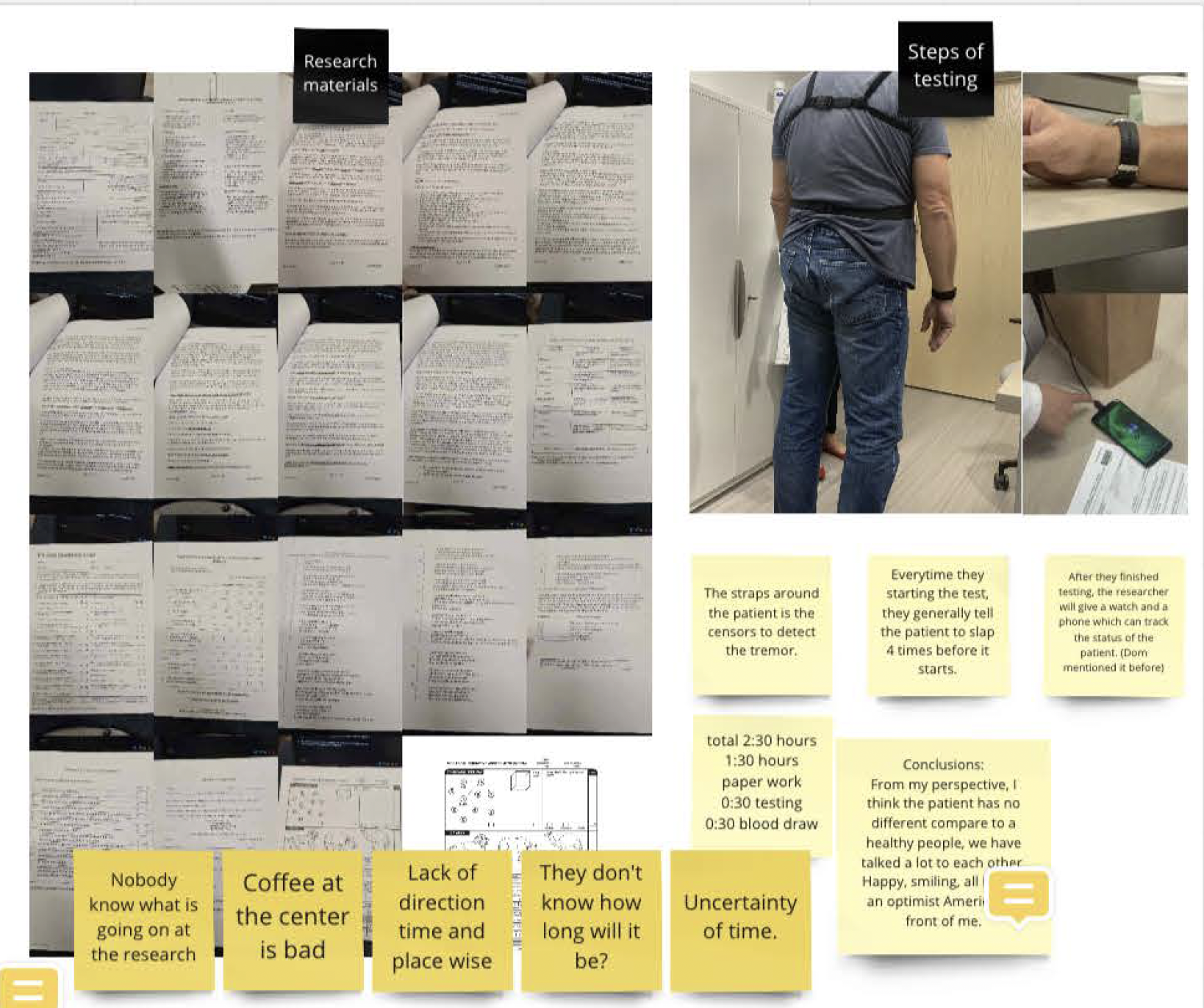
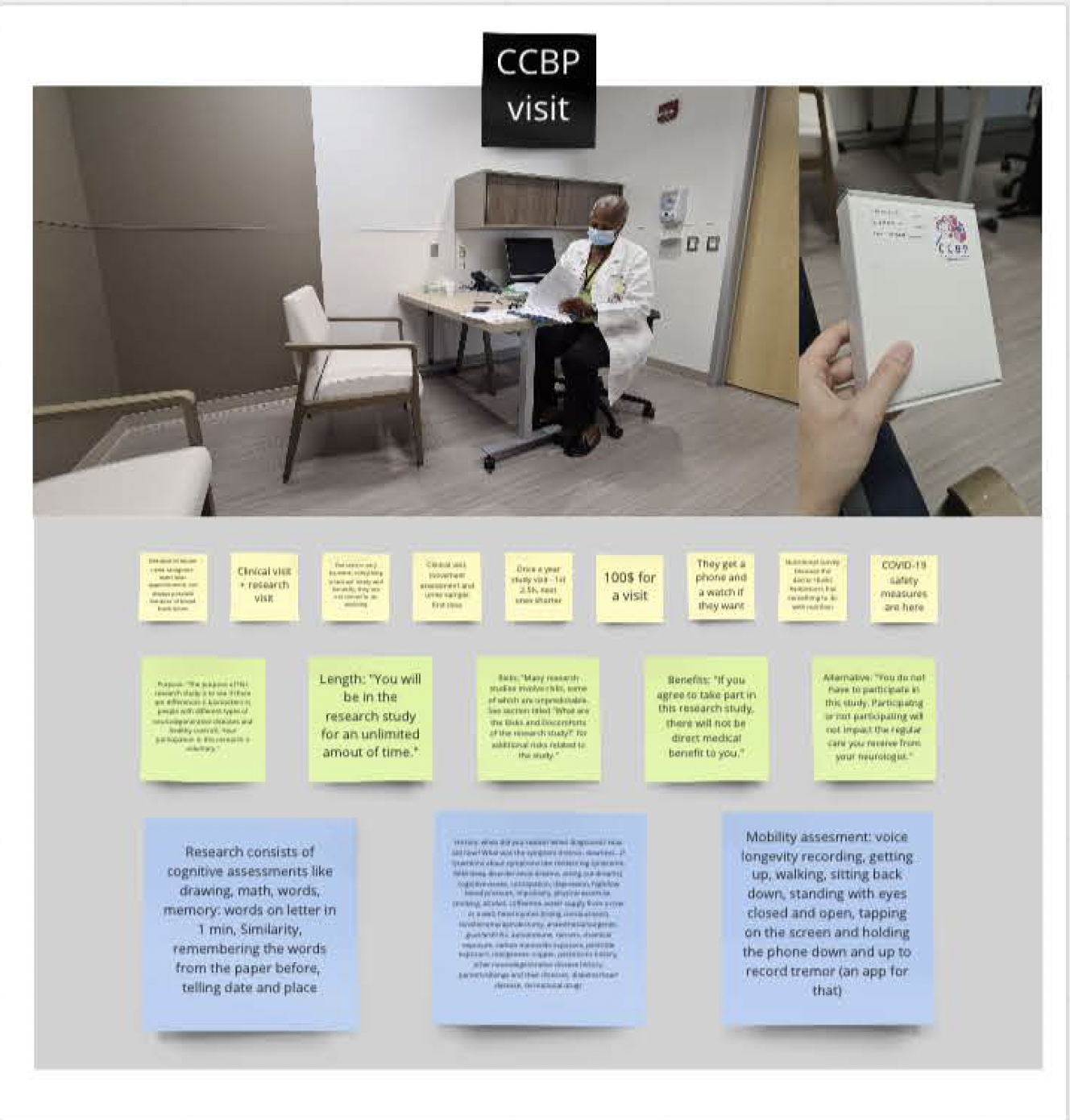
The BIG 3000 project utilized a comprehensive research approach to understand patient engagement challenges in the Cincinnati Cohort Biomarker Program (CCBP). Through primary research—semi-structured interviews with CCBP researchers and facilitators—the team identified key obstacles in recruitment and retention, such as participants' mobility and memory limitations, and their desire for community support, health resources, and easier healthcare access.
Co-Creation Solution:
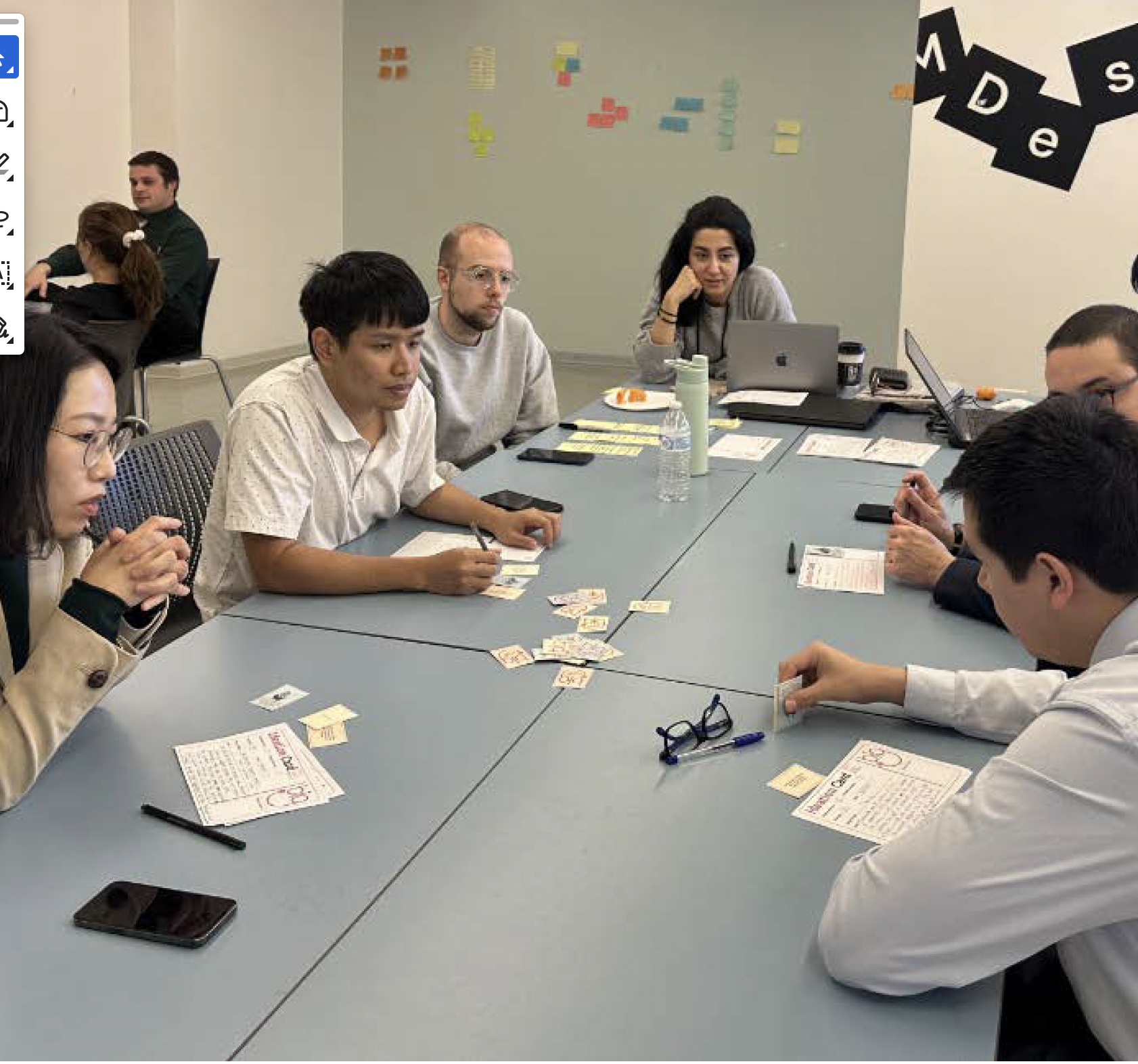
To achieve these goals, we developed the "BIG Game," a co-creation ideation tool involving CCBP researchers and stakeholders. This game facilitated the generation of ideas by randomly pairing patient and caregiver personas with specific scenarios and challenges, fostering empathy and fresh perspectives. Through this playful, solution-focused approach, participants created a diverse array of concepts aimed at enhancing the patient experience in clinical research, from incentive models to support networks. The BIG Game helped uncover actionable insights into patients' and caregivers' needs, enabling the design team to identify innovative, feasible solutions that could be directly applied to improve engagement and retention.
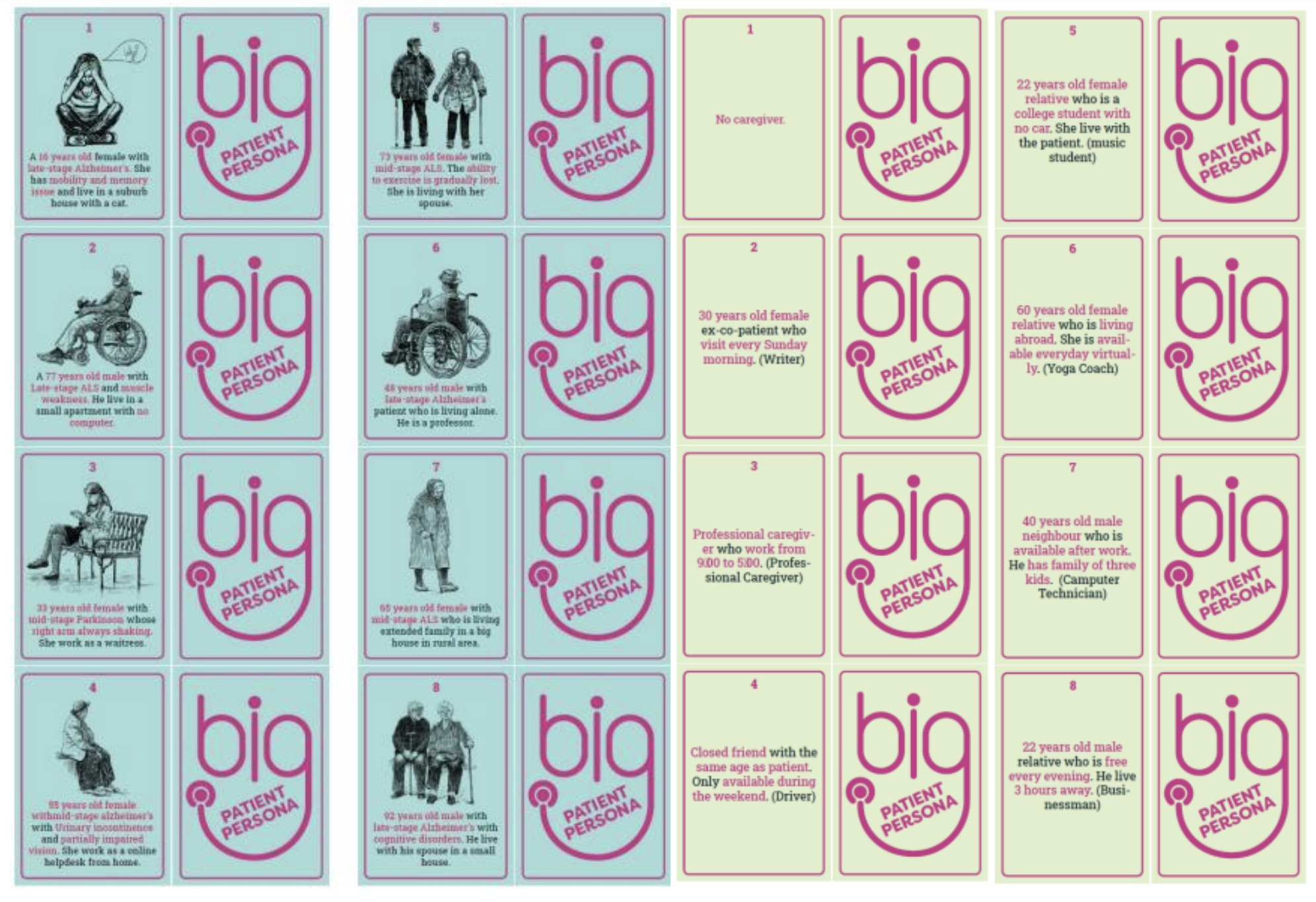
Neurodegenerative disease patient persona cards and caregiver persona cards.
Result:
The image shows a collection of 32 ideation cards generated from the BIG Game, which involved stakeholders in brainstorming concepts to improve patient engagement in clinical research. Each card represents a unique idea created by pairing patient and caregiver personas with specific scenarios. This approach encouraged diverse perspectives, resulting in ideas that addressed various aspects of patient experience, from social support to technology solutions. The cards provided a basis for feasibility mapping, where concepts were evaluated for usability, cost, and practicality, helping the team prioritize the most promising solutions for further development.
Feasibility Mapping:
Once the ideas were gathered, we applied feasibility mapping, illustrated in separate diagrams, to assess each concept’s practicality and potential value. The first mapping phase involved placing ideas on a usability-cost matrix, which helped evaluate both the ease of use and financial feasibility of each idea. This process highlighted concepts that were high-impact yet cost-effective. In the final mapping phase, the most promising ideas were further refined and prioritized based on criteria like accessibility and relevance to CCBP’s goals, guiding the team toward realistic solutions that could significantly enhance patient engagement and retention.
Complementing these findings, secondary research provided additional insights from literature on patient engagement, telehealth, incentives, and social isolation in neurodegenerative disease studies. Together, these research methods shaped a well-rounded perspective, guiding the design of solutions that address the practical, emotional, and social needs of CCBP participants.
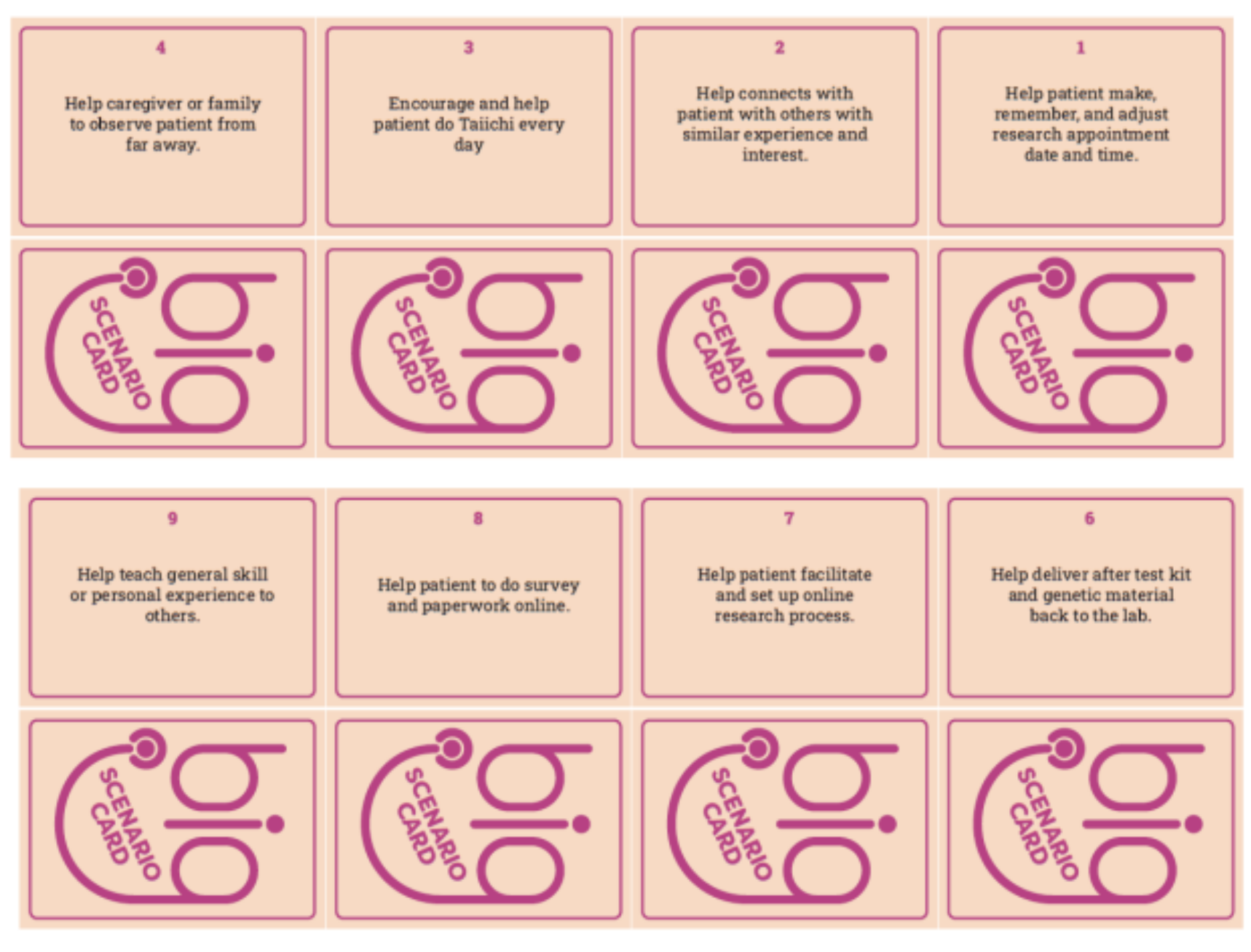
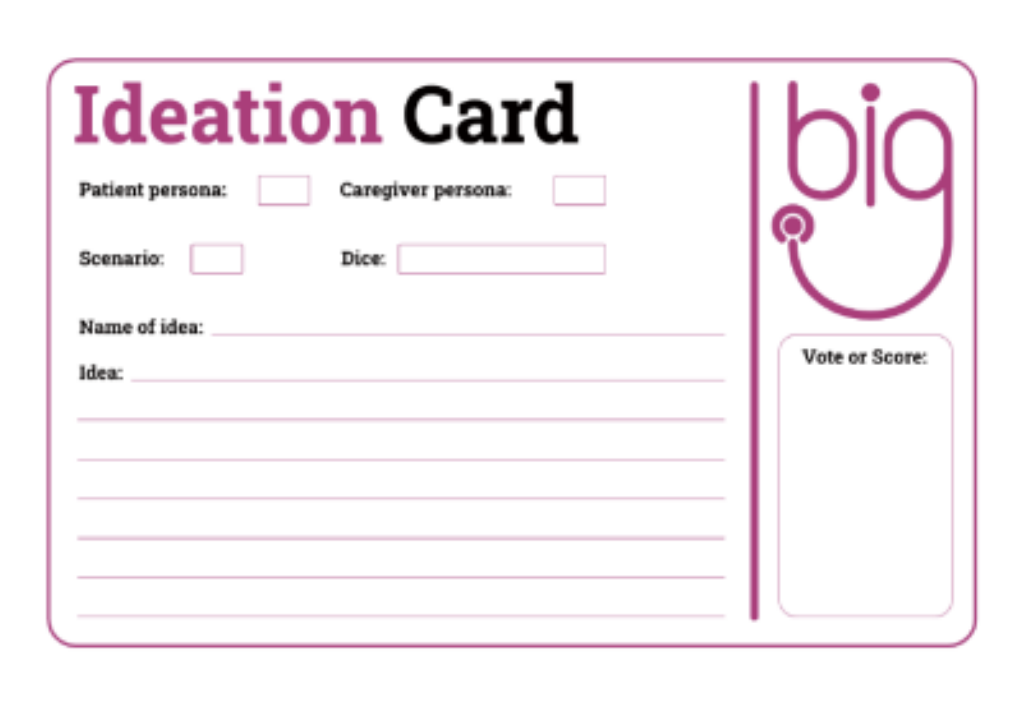
Scenario cards & Ideation cards
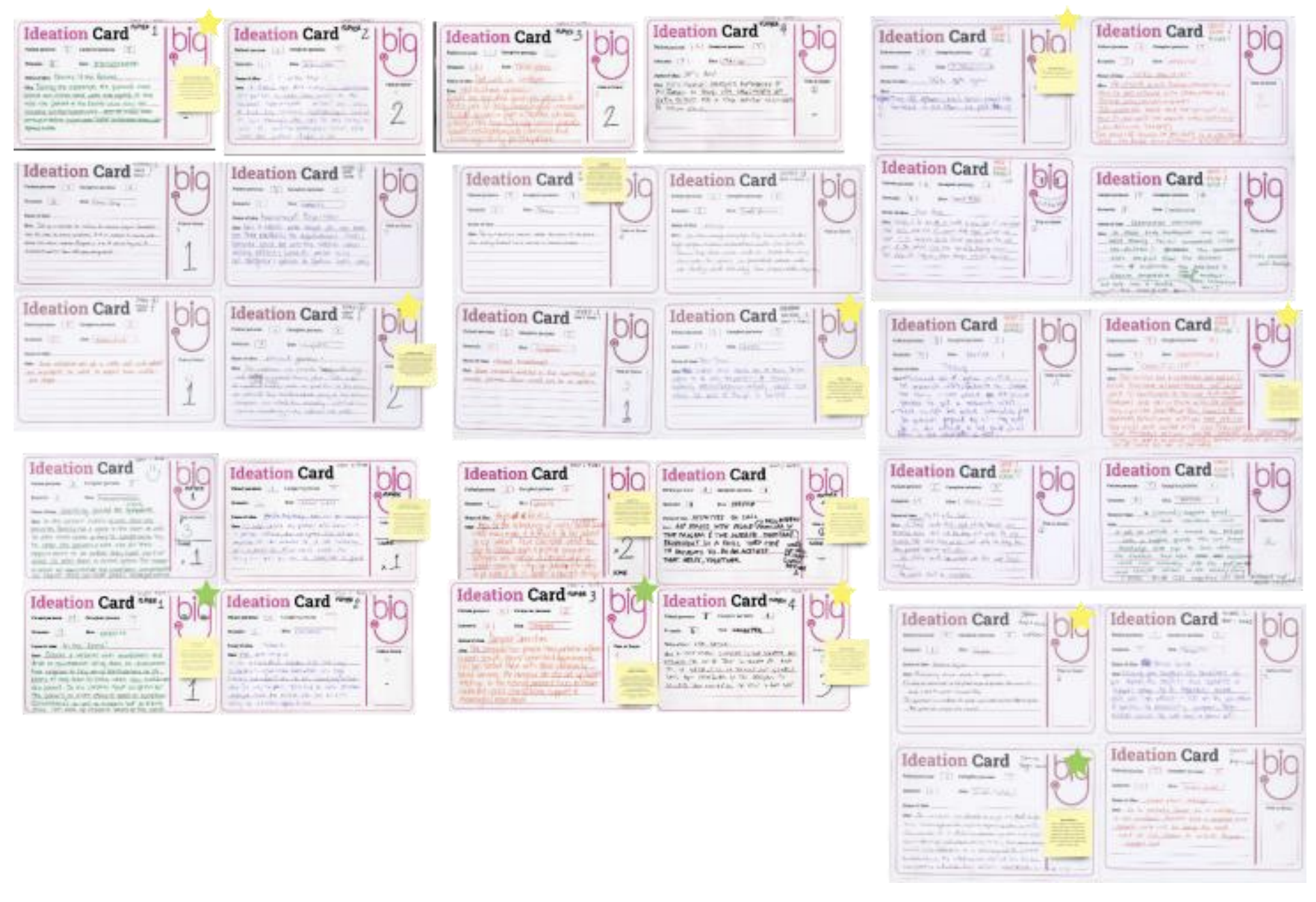
32 out of the total 36 ideas generated through the gameplay.
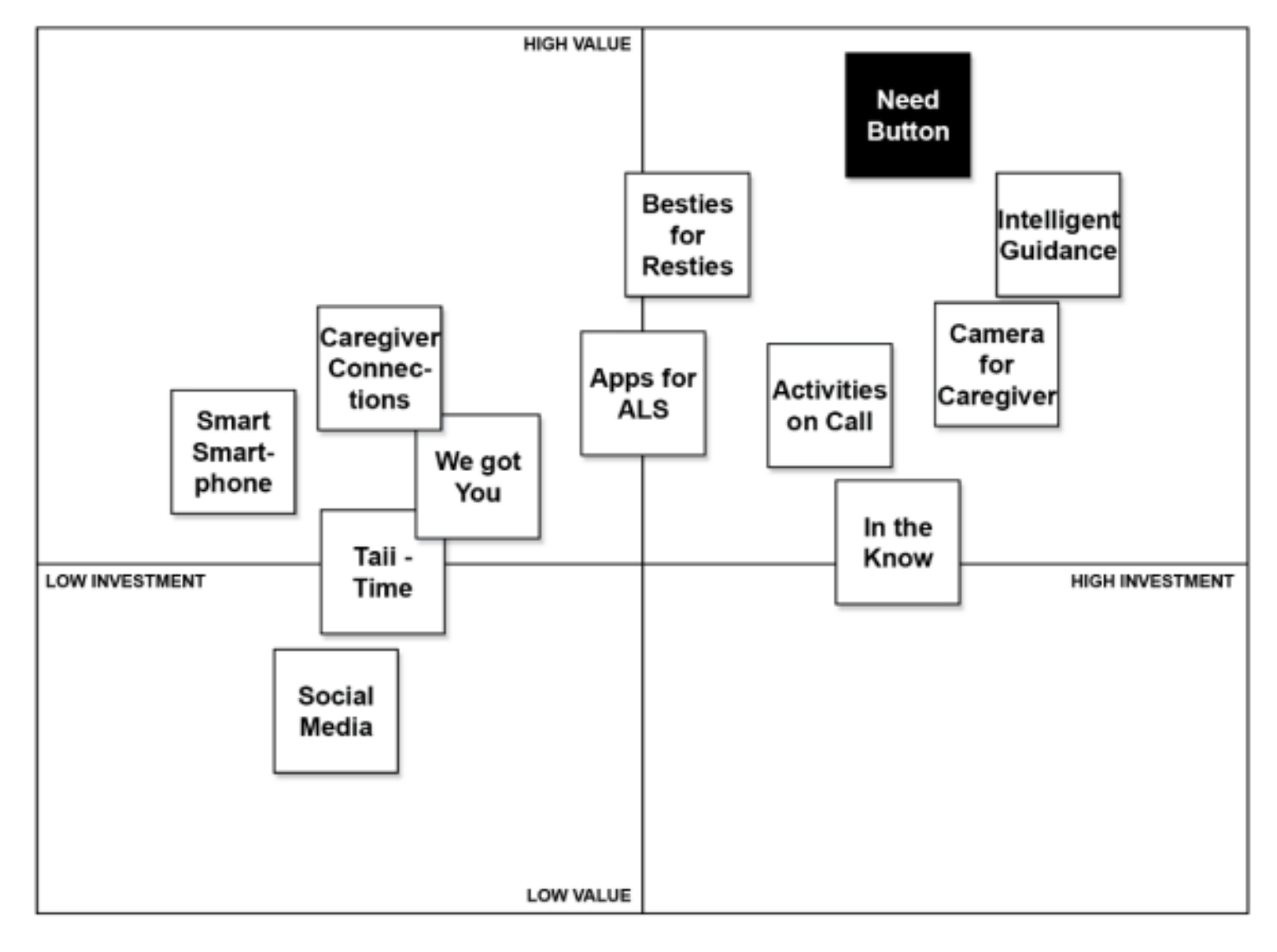
Design Concept – The BIG Button:
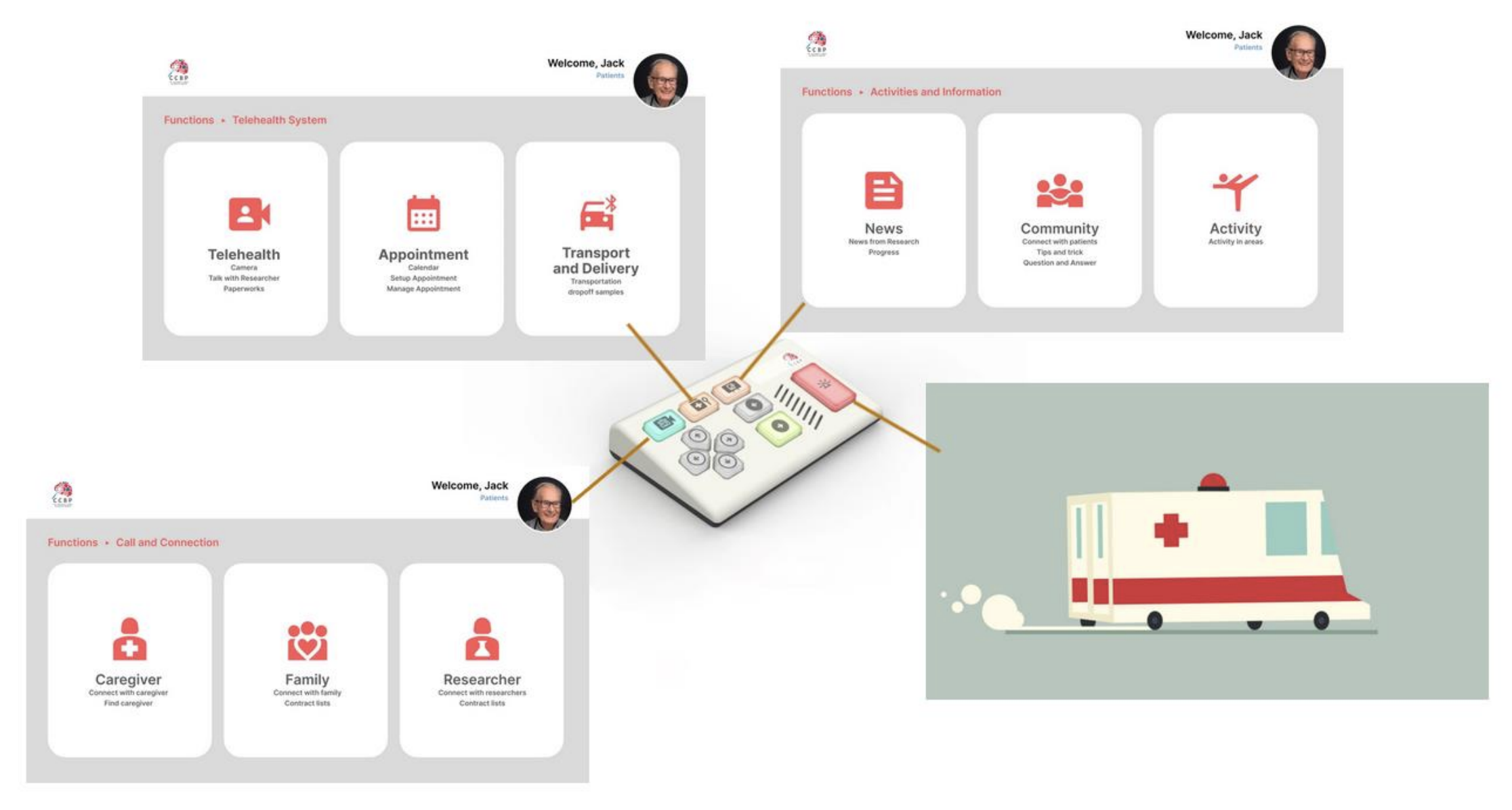
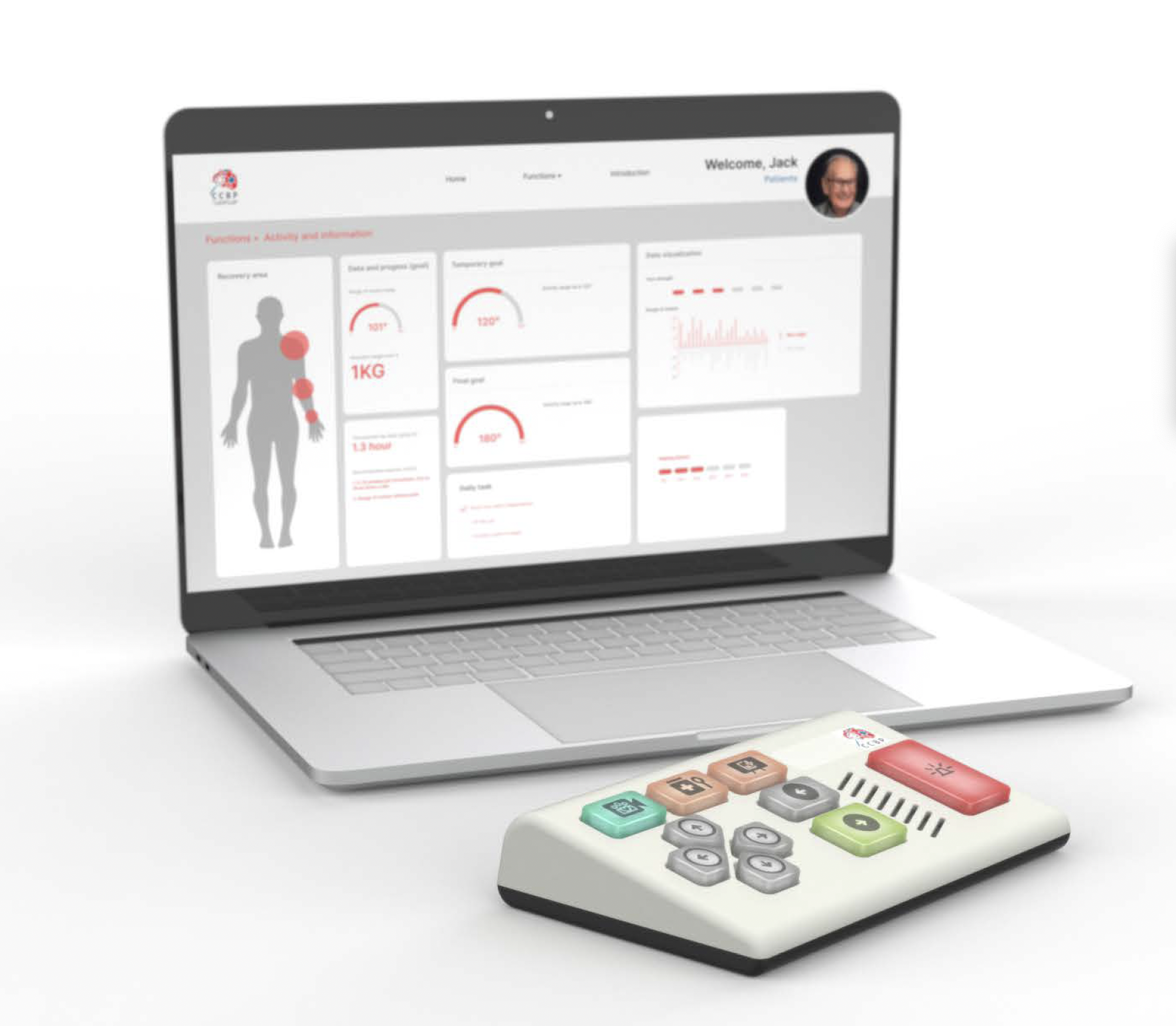
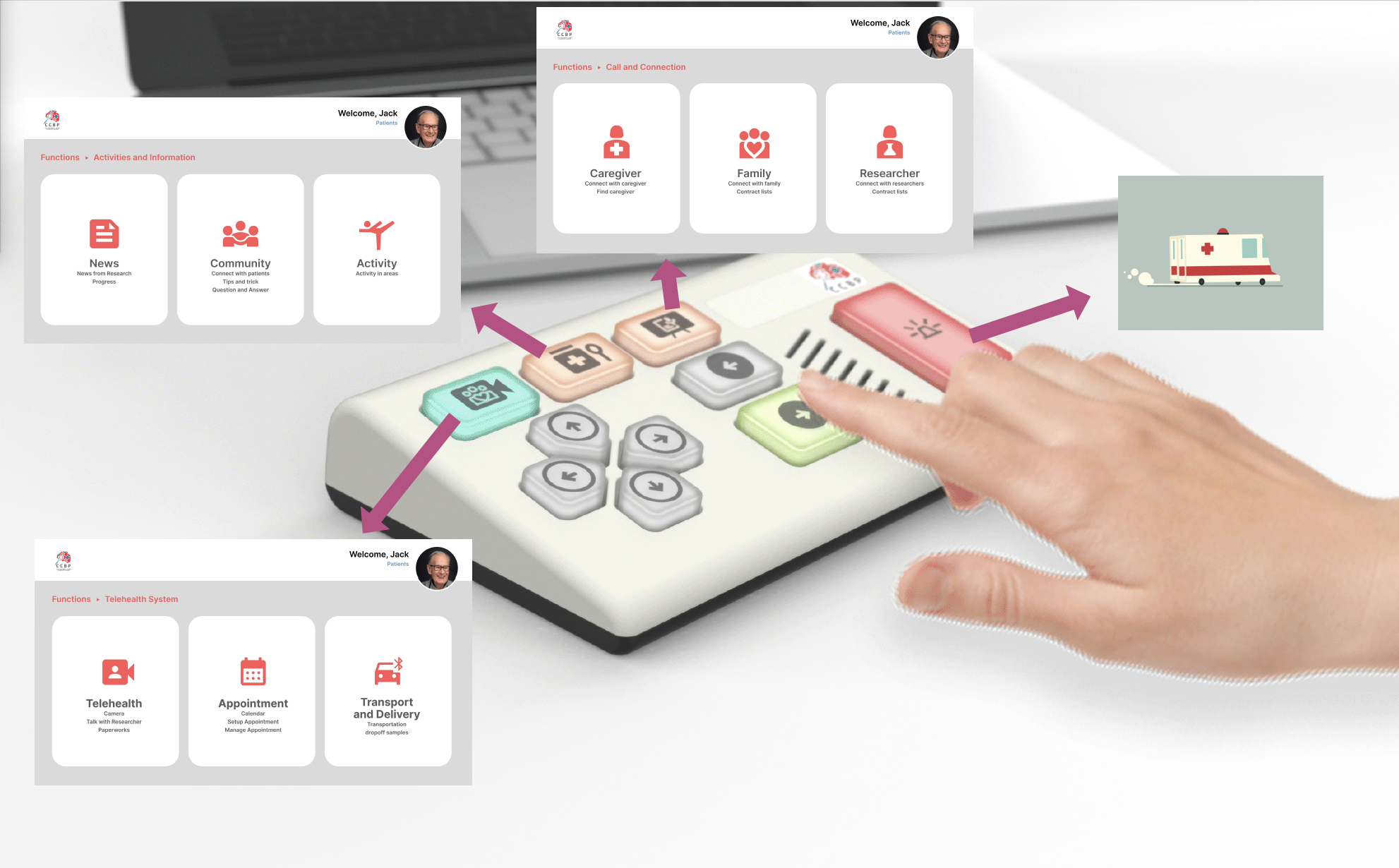
The "Big Button" is a simple, user-friendly input device designed to improve patient engagement in clinical research programs like CCBP. Featuring large, spaced-out buttons with clear icons, it connects to any computing device, providing patients with easy access to essential services such as telehealth appointments, calendars, social connections, and informational resources. Acting as a low-barrier entry point to existing digital services, the Big Button offers a cost-effective solution that supports patient well-being and maintains regular engagement with the program. By integrating seamlessly into daily life, it helps foster a sense of connection with the research community, potentially boosting patient recruitment and retention over time.
Impact:
The BIG Button enhances the clinical study experience by providing an alternative incentive structure that aligns with patients' needs and preferences. It reduces the reliance on monetary rewards and instead offers tools that actively support patients in their daily lives. This approach is expected to increase retention rates and foster positive perceptions of the CCBP, helping participants stay engaged with the research program over the long term.